
Search engine optimization (SEO) has now turned out to be among the key digital marketing techniques used by companies in order to enhance their online visibility and bring quality traffic to their website. SEO, however, entails more than just the placement of keywords on websites or the creation of blog posts. It requires planning, technical skills, content optimization, competitor research, and constant performance tracking. It is here where the job of an SEO strategist becomes important.
The role of the SEO strategist includes coming up with a plan through which the website can rank well on the search engines while at the same time ensuring that the SEO activities are consistent with the objectives of the company. This article will highlight what an SEO Strategist is, what he/she does, how the SEO strategist differs from an SEO Specialist, the tools that the SEO strategist uses, and how the profession itself is evolving due to the continuous changes in search engines and users’ behavior.
What Is an SEO Strategist?

An SEO Strategist is a digital marketer whose job involves designing, implementing, and managing long-term SEO strategies that make websites more visible to search engines such as Google. Unlike an individual specializing in one area of SEO, an SEO strategist takes a wider angle in his/her approach through integration of technical SEO, content marketing, keyword analysis, user experience, and analytics in their strategy.
The main aim of an SEO strategist is not only about getting high rankings but rather attracting the right target audience, enhancing website efficiency, and achieving business outcomes from the process. All SEO decisions made should be research- and data-driven.
In the process of SEO planning, a strategist evaluates the performance of a website in terms of both its strengths and weaknesses, studies the competition, and learns about the targeted audience. Thus, the SEO strategist creates a unique roadmap for future improvements and growth in the SEO process.
Modern SEO strategists should also be flexible enough to adjust their strategies due to ever-changing algorithms of the search engines and the development of artificial intelligence. No matter whether a strategist works for a local business, an eCommerce store, or a corporation, he or she is the one who designs successful organic SEO campaigns.
What Does an SEO Strategist Do?
The role of an SEO strategist is to plan and coordinate every aspect of a website’s SEO campaign. Instead of concentrating on any particular task, he/she coordinates everything and ensures all SEO activities contribute to the achievement of business goals.
The first task assigned to an SEO strategist is carrying out intensive keyword research. This refers to finding out what words and phrases people use while searching on the Internet. He/she does not only concentrate on those keywords that generate a lot of traffic but rather looks at the business value, search intent, and competition too.
Yet another important responsibility of an SEO strategist is to create an effective SEO strategy plan, which would include goal setting, target audience identification, website improvement priorities, and the steps required to implement the strategy. All recommendations would be formulated to increase the visibility of your site while meeting the requirements of your marketing or business goals.
Technical SEO is yet another important responsibility of an SEO strategist. An SEO strategist frequently audits the site to find technical issues such as dead links, slow page loading time, duplicate content, crawling issues, indexing issues, and mobile usability. Solving all these technical issues increases the efficiency of crawling and understanding by search engines of your site.
One more responsibility of an SEO strategist is content planning. Instead of creating random content, an SEO strategist develops a content strategy that takes into account keyword research, customer questions, the latest industry trends, and competitor analysis.
The SEO strategist needs to work closely with content writers, web developers, designers, marketers, and other business people. There is a need for collaboration among many departments to ensure that SEO activities succeed, and therefore the strategist ensures that everybody sticks to the optimization objectives.
SEO Strategist vs SEO Specialist

While both SEO strategist and SEO specialist may be used interchangeably at times, the roles may vary in different organizations. An SEO strategist, for instance, is mainly concerned with planning, decision-making, and formulating SEO strategies.
The SEO strategist analyzes trends in the market, evaluates the competition, prioritizes opportunities, and finds the best way to achieve the set business objectives. It is mostly about strategy, and the SEO strategist may find himself working with project management and campaign measurement.
An SEO specialist, however, is mostly involved in implementing an SEO strategy. An SEO specialist is usually tasked with carrying out SEO activities in the course of his daily activities.
For instance, the SEO strategist might feel that the company needs to build its topical authority on a specific service or product offering. The SEO specialist would carry out such a strategy through optimization of existing web pages, creation of new web content, technical changes, and monitoring.
A major difference is in making decisions. While the SEO strategists usually consult with the business owners, marketing managers, and their clients on establishing their goals and ROI, SEO specialists spend most of their time inside the website, content management system, and SEO software executing those strategies.
In large companies, strategists manage several SEO specialists, making sure that every optimization is done according to company objectives. Small businesses and small agencies will have one person being responsible for both functions. SEO specialists and strategists play a crucial role in SEO efforts, but combined they form a perfect balance.
Tools Every SEO Strategist Should Use
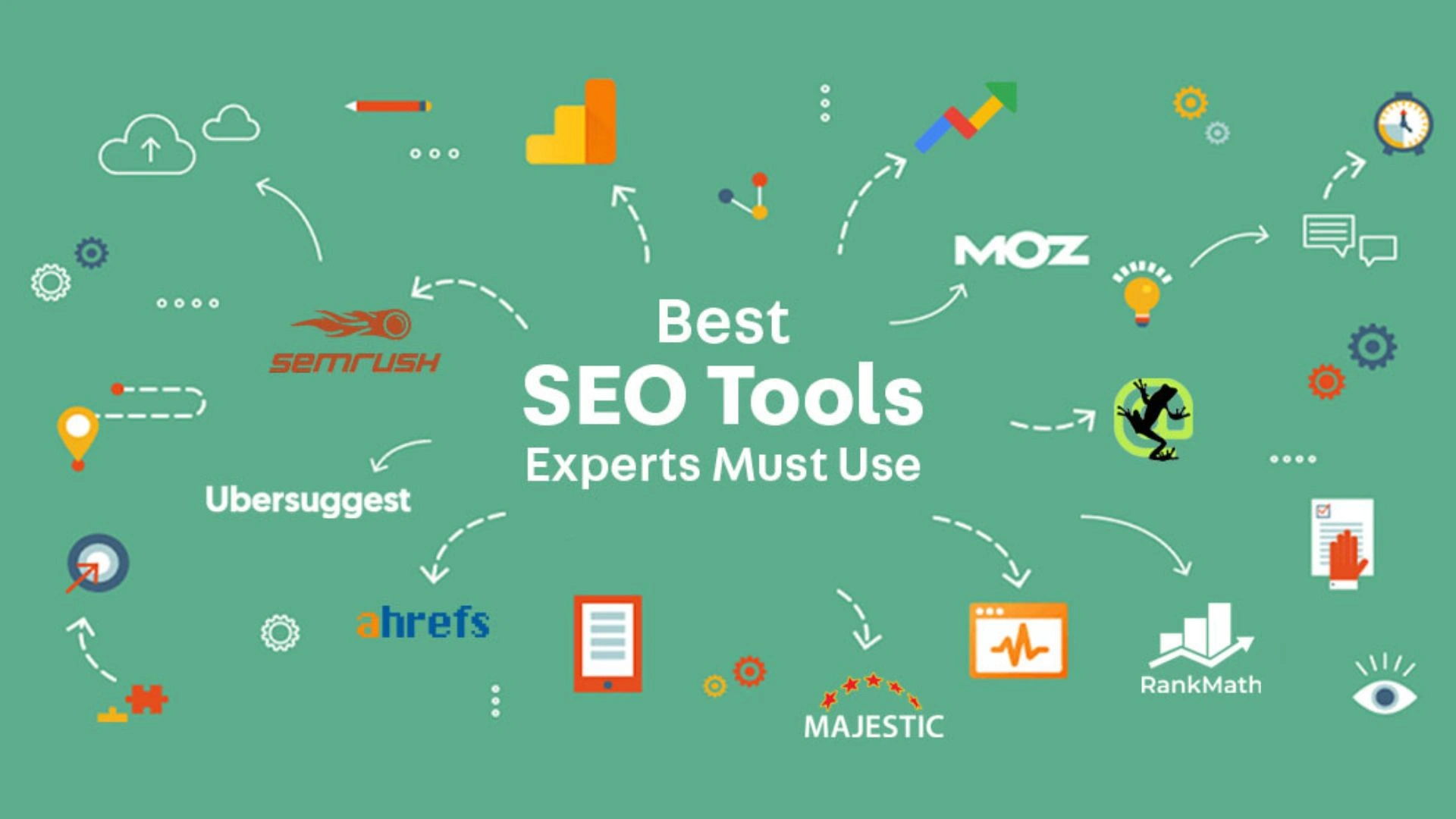
The following tools are used by the SEO strategist for gathering data, analyzing websites’ performance, opportunity finding, and result tracking. They offer various types of information, which is helpful when making strategic decisions.
Google Search Console
This is one of the best free tools for SEO specialists. It allows getting direct insights about how Google perceives a particular website. Among other things, Google Search Console is used by the SEO strategist for keyword ranking, impressions, clicks, click-through rate, indexing, crawl errors, Core Web Vitals, mobile usability issues, and sitemap analysis. Moreover, it helps to find pages that require optimization and notify about technical problems related to visibility in search engines. The fact that the data comes from Google makes the Search Console indispensable for making SEO decisions.
Google Analytics 4
GA4 can help SEO strategists understand the interaction of visitors on the site who have landed there by way of organic search. Some of the useful information available on GA4 includes user behavior, engagement duration, traffic sources, conversions, audience demographics, and the journey of customers. Through analysis of such information, strategists can know which pages are providing value and opportunities to enhance conversion rates. The combination of GA4 and Search Console results in a complete overview of SEO strategy.
Ahrefs
Ahrefs is an SEO platform that is used for conducting keyword research, competitor analysis, backlink audit, and content gap analysis. SEOs use Ahrefs to find high-value keywords, analyze search difficulty, audit backlink profile, competitors’ organic analysis, and find new content opportunities. The database available on the platform enables the strategist to take informed decisions while creating an SEO strategy.
SEMrush
Another one-stop solution for SEO and digital marketing purposes is SEMrush, which provides support for keyword research, competitor analysis, technical auditing, content optimization, and ranking monitoring. Many SEO experts employ SEMrush for the purpose of analyzing their competitors, checking keyword positions, diagnosing technical SEO problems, and making content strategies according to the search demand. The reporting capabilities of SEMrush also make it easy to report SEO achievements to the clients and stakeholders.
Screaming Frog
Screaming Frog is basically a website crawler that audits various technical SEO aspects of an entire website. This software is used to spot broken links, duplicate content, lack of metadata, redirect chains, orphan pages, indexing problems, canonical problems, etc.
Google Keyword Planner
The Google Keyword Planner is still a great tool for finding keywords and determining their search volumes. Even though this tool was designed specifically for Google Ads, SEO professionals use it to find keyword ideas, determine search demand, find related searches, and analyze seasonal trends. This tool is especially helpful when developing a content strategy based on commercial and informational search intent.
PageSpeed Insights
Website speed has become a critical ranking factor affecting the user experience. Google PageSpeed Insights analyzes the performance of web pages on desktop and mobile platforms, suggesting ways to increase their speed. SEO professionals take into account the findings made by this tool and make the necessary technical improvements like image optimization, code minification, browser caching, and others.
Future of the SEO Strategist Role

However, the function of an SEO specialist changes as search engines become smarter and as people’s needs change. Keyword optimization will not be sufficient anymore to reach lasting success. Today’s SEO demands much more insight into human behavior, into the quality of content and its relevance, and into artificial intelligence.
AI-driven search experience changes the way we search for information online. Search engines get more and more focused on providing answers rather than links to some websites. This is why the job of an SEO specialist includes creating content that is evidence of competence, relevance, and usefulness, and not just targeting certain keywords.
Today, Entity-based SEO, topical authority, semantic search, and Google EEAT are of greater importance than ever before. SEO specialists have to create ecosystems of content, proving their credibility while answering the questions of potential clients.
Technical SEO is also set to continue playing a crucial role. Fast-loading sites, improved core web vitals, mobile optimization, structured data, and user experience will all continue to be important for effective SEO campaigns.
Data analysis and automation are likely to grow in importance as AI-driven SEO tools help in researching, reporting, and optimization. Nevertheless, strategic thinking and creativity, as well as knowledge of the business goals, will still remain the unique abilities that cannot be replaced by technology.
With the constant evolution of search, the most successful SEO strategists will be those combining technical knowledge, analytics, good quality content planning, and an understanding of user needs. The companies that work on strategic SEO now will definitely be better off in the future.