What Is Front End Development? Everything You Need to Know
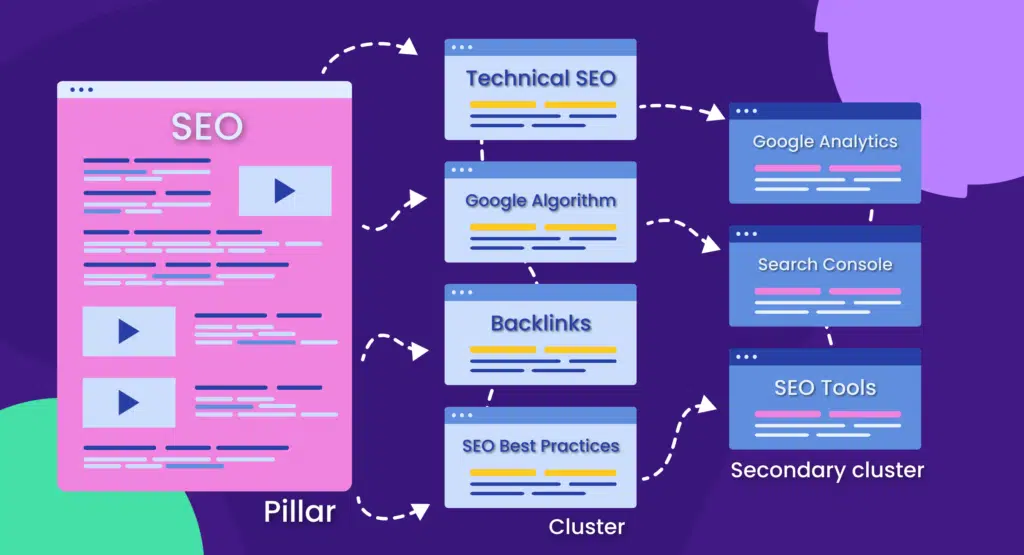
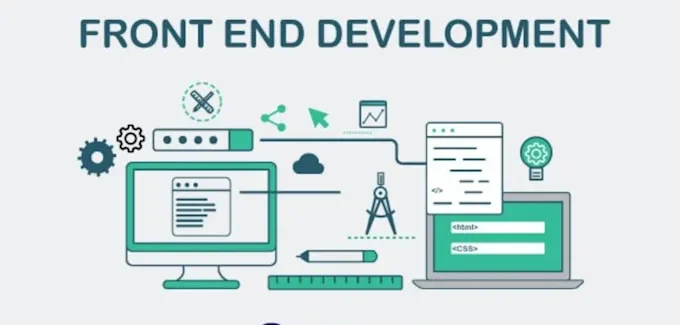
Front-end development is the aspect of web development that deals with everything on a website or web application that is visible to the user. Everything that is displayed on the screen is part of front-end development. Front-end development also plays a crucial role in search visibility. To understand how websites rank, you can explore our guide on what is SEO.
Front-end developers are responsible for taking the idea of what the website will look like, as designed by UI/UX designers, and turning it into an interactive screen experience. This includes writing code that determines how the website displays content on the screen, how the user navigates the website, and how different elements respond to user actions, such as clicking or scrolling. In simple terms, front-end development is about making websites look good and function well for the user.
Why Front-End Development Is Important
The front-end development is an important factor in creating the first impression in the user’s mind while visiting the website. If the front end is well designed and developed, the website looks professional and is easy to use, giving the user the impression that the website is reliable and trustworthy. However, if the front end is poorly designed, the user gets frustrated and leaves the website immediately.
User experience is considered to be the most important factor in modern-day web development, and the front end development plays an important role in this regard. The factors that make the user experience better are the high speed of the website, ease of use of the website, and the visual appearance of the website. All these factors not only keep the user engaged but also enhance the conversion rate.
Another important factor related to front-end development is search engine optimization (SEO). Another important factor related to front-end development is search engine optimization (SEO). Search engines consider factors like speed, responsiveness, and user engagement. You can also learn more about Google SEO ranking factors to understand how front-end impacts rankings.
If you’re looking to build a fast, responsive, and visually appealing website, our professional web design services can help you create a powerful online presence.
Key Technologies Used in Front-End Development
HTML (HyperText Markup Language)
HTML is the basic building block of every website. It is used for structuring the content on a web page, like headings, paragraphs, images, etc. HTML can be considered the “skeleton” of a website, where it specifies where a particular part of the website is located.
Without HTML, a website would be like an empty shell, and it would be impossible for a web browser to display content properly. HTML is also crucial for Search Engine Optimization, where it helps in understanding the content on a particular web page.
CSS (Cascading Style Sheets)
CSS is used for styling and arranging the look of a website. It allows developers to style HTML tags and elements, such as colors, fonts, spacing, and positioning, among others. Using CSS, a simple HTML page can be transformed into a beautiful and professional-looking interface.
CSS has also evolved to allow developers to build responsive websites, ensuring that a website has a perfect look and feel regardless of the screen size. This is a core part of modern design, often referred to as responsive web design principles, which ensure consistency across all devices. whether desktop, tablet, or smartphone, among others, in this digital age.
JavaScript
JavaScript is a programming language used for adding interactivity to websites. It allows developers to implement dynamic features like sliders, pop-ups, and form validation without requiring a page reload.
JavaScript makes websites more interactive and responsive to user actions. However, excessive scripts can slow down performance, so it’s important to optimize properly. Here are some ways to speed up your WordPress website and improve load times.
Popular Front-End Frameworks and Libraries

React
React is one of the most popular JavaScript libraries used to create user interfaces. It was created by Facebook and enables the creation of reusable components of code, which makes the development process quicker and more efficient. React is widely used to create dynamic and high-performance web applications.
React’s component-based structure enables the creation of clean and organized code, which is important in large-scale applications.
Angular
Angular is a powerful front-end framework developed by Google. It offers a complete solution for developing complex front-end web applications, including tools for routing, state management, and handling forms. The framework uses a structured approach, making it ideal for developing complex applications, especially for enterprise use.
Although the framework has a steeper learning curve compared to other front-end frameworks, it has scalability and performance advantages.
Vue.js
Vue.js is a progressive JavaScript framework that is simple and flexible in nature. It is easy to learn and can be considered a good platform for beginners and experts alike. One of the greatest advantages of using the Vue.js platform is the fact that it can be gradually integrated into the project, making it highly flexible in nature.
How to Become a Front-End Developer

Learn the Basics
The first step towards becoming a front-end developer is to get familiar with the fundamental technologies: HTML, CSS, and JavaScript. These three form the base of web development. Learning from these basics will give you a solid understanding of structure, design, and functionality.
Build Projects
Practical experience is crucial in becoming proficient in front-end development. Creating projects helps you apply your knowledge and gain practical experience. Basic projects like building a personal website or a landing page can help you develop your skills. As you advance, you can work on more complicated projects to further enrich your knowledge.
Learn Frameworks
Once you are comfortable with the basics, learning front-end frameworks such as React, Angular, or Vue will enable you to develop more complex applications. These are tools that will help streamline the development process. Selecting the correct framework will depend on what you want to achieve and what type of projects you are interested in.
Create a Portfolio
Having a strong portfolio is vital in showing off your skills to potential employers or clients. Your portfolio should have a variety of projects that show you are capable of creating user-friendly interfaces. Having a well-presented portfolio is important, as it shows not only your skills but also your creativity and attention to detail.
Tools Used in Front-End Development

Front-end developers use different tools to boost productivity and simplify development processes. For instance, code editors such as Visual Studio Code enable developers to create a comfortable environment for coding and managing code. On the other hand, version control tools such as Git enable developers to collaborate and track changes.
Browser developer tools enable developers to debug and inspect code directly in the browser, hence simplifying development processes. Build tools and package managers, such as Webpack and npm, enable developers to boost performance and manage different dependencies. These tools are important in ensuring development processes are efficient and organized. Similarly, using the right SEO tools can help improve your website’s visibility, performance, and ranking on search engines. To ensure your website performs at its best in search engines, consider investing in technical SEO services that optimize speed, structure, and indexing.
Front End vs Back End Development
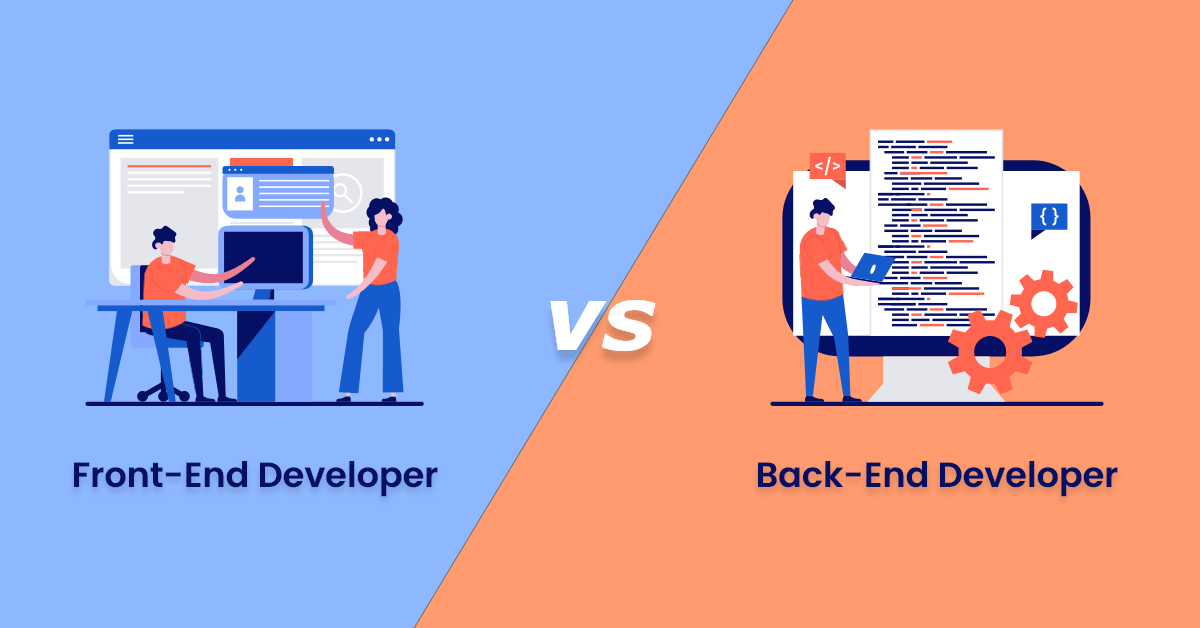
The front-end and back-end development are two important aspects of developing a website, and they play different roles in developing a website. Front-end development involves developing a user interface and a user experience, ensuring a nice look and feel for a website.
Back-end development, on the other hand, involves developing a server, a database, and an application, and includes activities such as data storage, request handling, and user management.
While front-end developers are concerned with what a user sees, a back-end developer works behind the scenes, ensuring everything works properly, and both aspects are important and play a vital role in developing a complete web application. If you’re building a business website, it’s important to combine both effectively. Here’s a helpful guide on websites for small businesses.
Future of Front-End Development

The future of front-end development is always changing, and this change comes from improvements in technology and changing user behavior. Some trends in front-end development, such as progressive web development, artificial intelligence, and performance optimization, are defining its future. These trends also align with evolving digital marketing trends that shape how businesses grow online.
As businesses continue to focus on digital, the need for front-end developers is also likely to increase. Keeping abreast of new technologies and constantly striving to improve your skills in front-end development will be important for your success in this field.